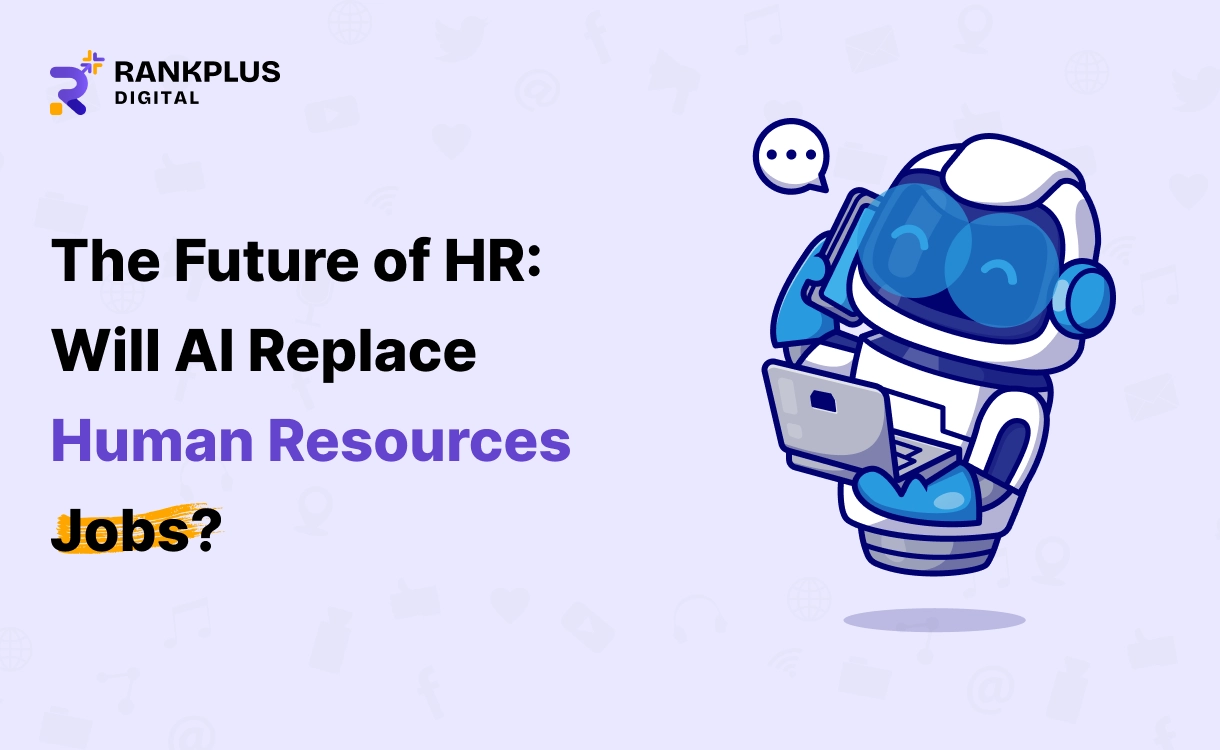
Many businesses are asking: Will AI replace human resources jobs? The hiring processes and employee management systems of businesses are undergoing major changes because Artificial Intelligence technology is being developed at a rapid pace. The HR field now uses AI to operate various functions which include automated resume evaluation and predictive analytics to serve contemporary businesses.The research question examines whether artificial intelligence will completely eliminate human resources positions or whether it will transform the way human resources professionals perform their duties.
The actual situation between these two extremes of automation and evolution exists as a middle ground. The artificial intelligence technology transforms human resources operations throughout the industry while maintaining essential human skills needed for effective personnel management.
Will AI Replace Human Resources Jobs or Transform Them?
The implementation of AI technology has brought three major advantages to traditional human resources operations because it enables faster work processing and improved efficiency and allows organizations to make decisions based on data analysis.The system now allows users to bring about tasks usually needing several hours of manual work in just a few minutes.
Key Areas Where AI Is Impacting HR
- Resume screening and candidate matching
- Automated onboarding workflows
- Employee engagement analysis
- Performance tracking and workforce analytics
- Chatbots for employee support
These technologies are aimed at reducing the administrative workload to allow HR people to concentrate on making strategic decisions.
HR Tasks That AI May Replace
The AI vs human resources systems show their highest performance abilities through working on tasks which include multiple repetitive actions and extended time periods of data examination. The HR field is advancing toward automation because of this technological progress.
Examples of Automated HR Tasks
- Sorting large volumes of job applications
- Scheduling interviews automatically
- Basic HR query responses through AI chatbots
- Payroll data processing
- Compliance tracking and reporting
The process of replacing tasks does not require corresponding changes in human staff. The responsibilities of HR professionals are transforming into functions that provide greater organizational value and shape the future of HR jobs.
Why AI Cannot Fully Replace Human Resources
AI technology has made significant progress in recent years, but it still fails to develop three essential HR requirements which include emotional intelligence and ethical judgment and cultural understanding key aspects of the role of AI in human resources where human oversight remains essential.
Human Skills AI Cannot Replace
- Conflict resolution and employee relations
- Leadership development
- Organizational culture building
- The practice of workforce planning according to organizational strategy.
- Empathy through communication
AI systems possess the ability to detect patterns in data but they lack the capacity to understand human emotions and the intricate interactions that occur in professional environments.
The Future Role of HR Professionals in an AI-Driven World
The HR functions have developed over the years to serve business organizations and are considered a key strategic activity in the operational function of an organization.Organizations seek human resources experts who possess the ability to integrate human understanding with technological solutions shaping the future of HR jobs through innovation.
Future Responsibilities of HR
- People analytics and data interpretation
- Employer branding strategies
- Employee experience design
- Diversity The equity and inclusion initiatives
- AI tool management and ethical oversight
The role HR plays today extends beyond traditional and administrative support to become a key source of business leadership supported by AI in HR technologies.
Benefits of AI in HR for Businesses
Organizations adopting AI in HR often experience:
- Faster hiring processes
- Reduced operational costs
- Improved candidate matching
- Better employee retention insights
- Scalable workforce management
Benefits also aid in keeping the business among the few who are able to be competitive in a fast moving digital age.
Challenges and Ethical Concerns of AI in HR
AI is helpful in many ways, but it also poses new challenges:
- Bias emerging from the algorithms designed for recruitment
- Data privacy risks
- Over-reliance on automation
- Reduced human interaction
Striking a good balance between AI and human trumps in ensuring a fairness and ethics element.
Final Thoughts — So, will AI replace human resources jobs? The answer is transformation, not replacement.
The answer to this question requires an explanation about the future of artificial intelligence and its impact on human resources work. The most realistic answer is no — but it will redefine them.
The HR profession benefits from AI technology because it removes repetitive tasks which enable HR professionals to dedicate their time to core human resource work. Future HR practices will establish a system which combines technological advancements with human abilities because artificial intelligence will assist decision-making processes while employees maintain control over organizational culture and leadership development and innovative practices.
The business success of future organizations will depend on their ability to achieve this balance because it enables them to build better teams while strengthening their operational capabilities.
FAQS:
1. Is AI going to replace Human Resources Jobs?
The upcoming changes will definitely occur. I believe most elements which people dislike about HR work will become automated with time. Rankplus Digital eliminates all of its repetitive tasks which require basic operations. The organization will reduce its HR staff members but the remaining employees will handle more significant and exciting responsibilities.
2. How is AI used in human resources today?
AI systems perform recruitment automation and employee engagement assessment and performance monitoring and employee onboarding and human resources chatbots. The HR tools enable teams to increase their operational speed while making decisions based on data.
3. What are the HR tasks that are most in line to be automated by AI?
AI technology most probably will automate the following tasks: candidate screening payroll processing interview scheduling compliance monitoring and basic employee support queries.
4. Is HR still a good career in the age of AI?
The future of HR Jobs will develop strategic human resource functions which use people analytics and employee experience and workplace culture. The career prospects for professionals who combine human understanding with AI technology will provide them with excellent opportunities.
5. Which skills shall HR professionals require in the future?
The future success of HR professionals requires them to develop five essential skills which include data analysis, emotional intelligence, strategic thinking, digital tools and ethical decision-making.
6. What are the risks of using AI in HR?
The system presents three main dangers which include algorithm bias and data privacy issues and excessive automation which leads to decreased human contact. Organizations must establish a midway point between implementing AI technology for operational efficiency and preserving essential human oversight of their operational systems.

Narendra Patel
Narendra Patel is a results-driven digital marketing strategist who blends creativity with sharp analytics. From boosting search rankings to crafting high-impact ad campaigns, he helps businesses stand out and succeed in today’s competitive digital landscape.